Passenger-focused filtration
Targets contaminants entering the passenger cabin through the ventilation system.

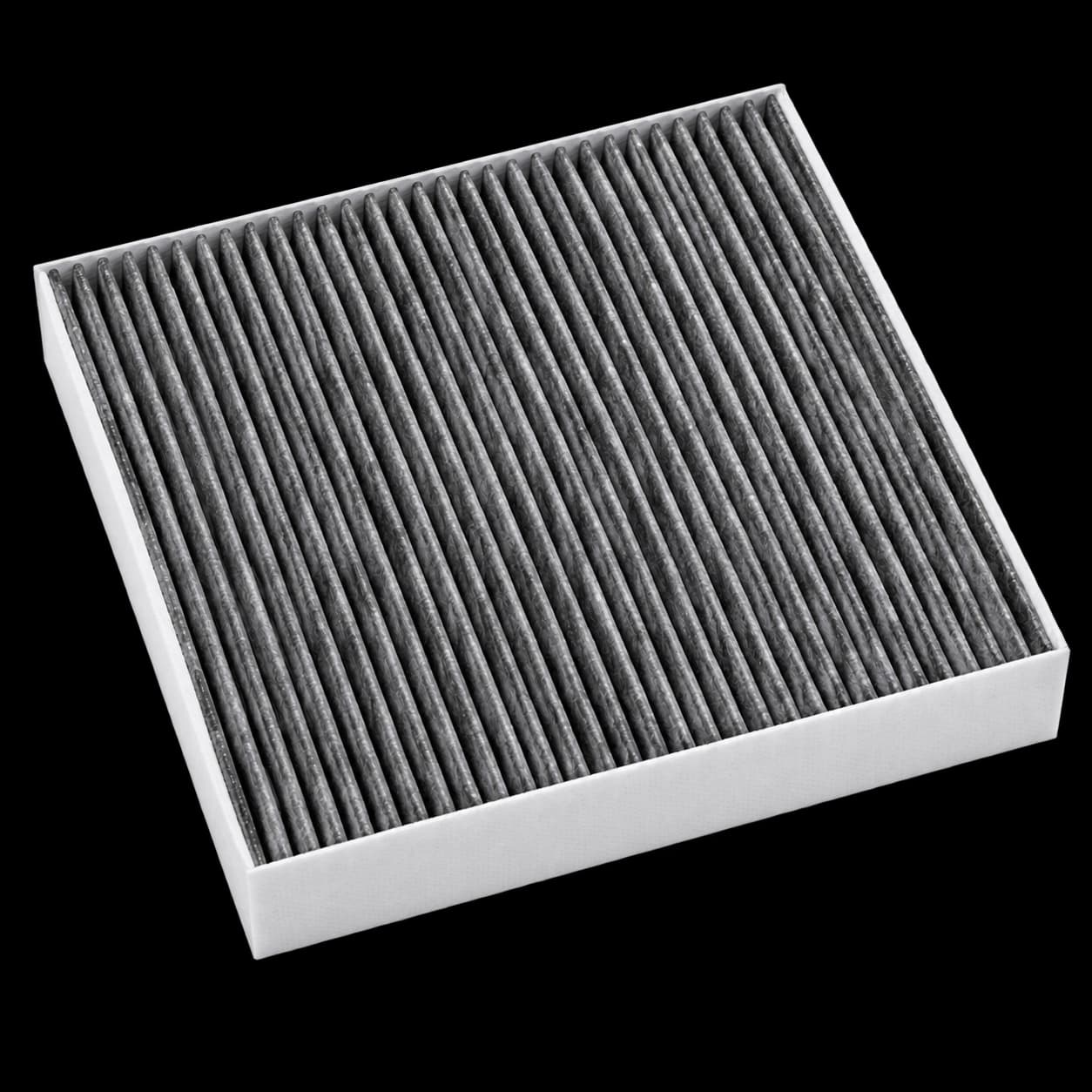
Dust and pollen can enter with your vehicle’s ventilation air. Start with the cabin environment, then explore particle, activated carbon and fine-dust filter options for your system.
Discuss your requirementThese filters provide capture of PM10-sized particles, dust and pollen. It also describes resistance to moisture and temperature variations. Confirm the operating range for the selected vehicle filter.
Discuss this variant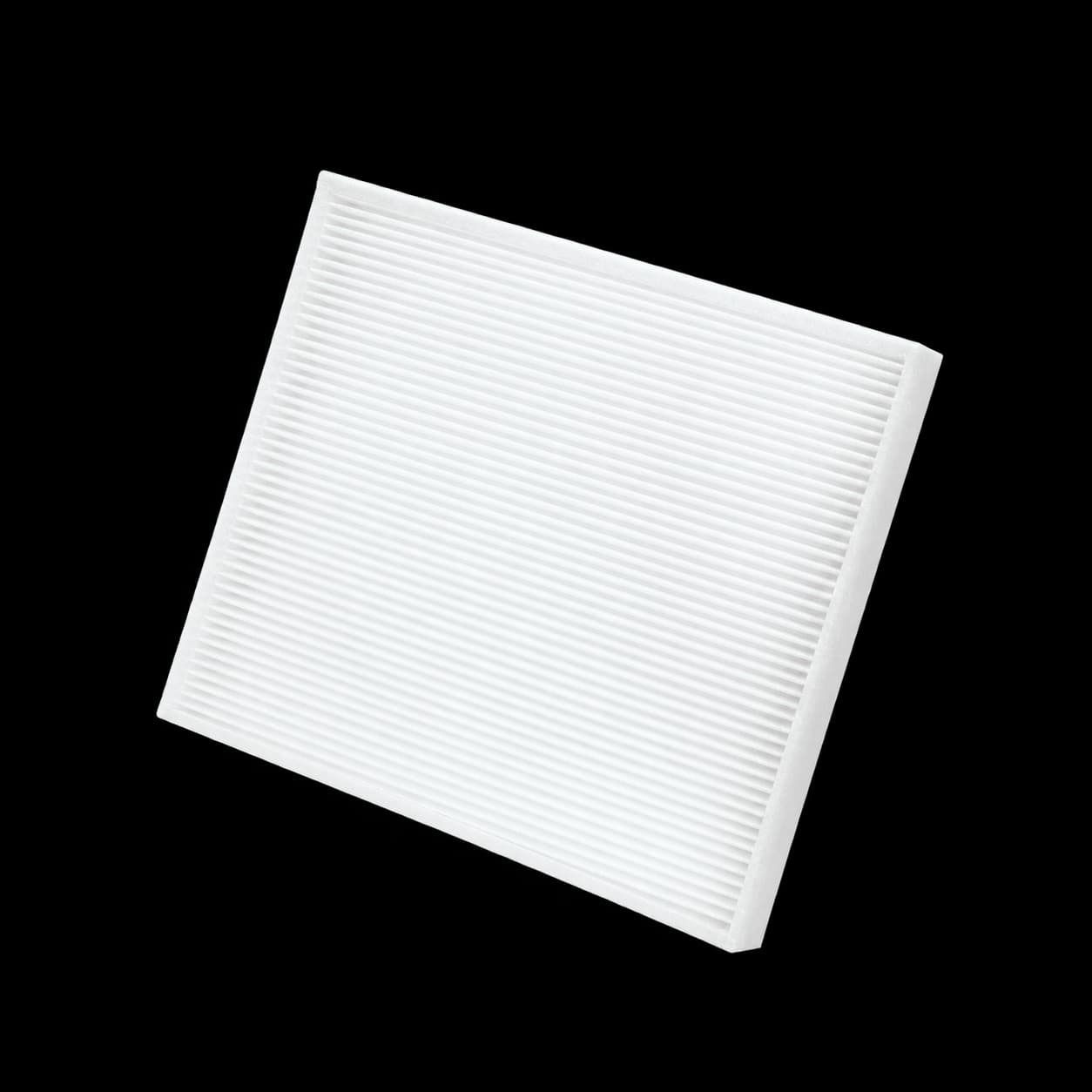
Capture dust in HVAC and ventilation systems with PARK pleated panel filters. Compare synthetic media, frame options and sizes for your installation.
Explore product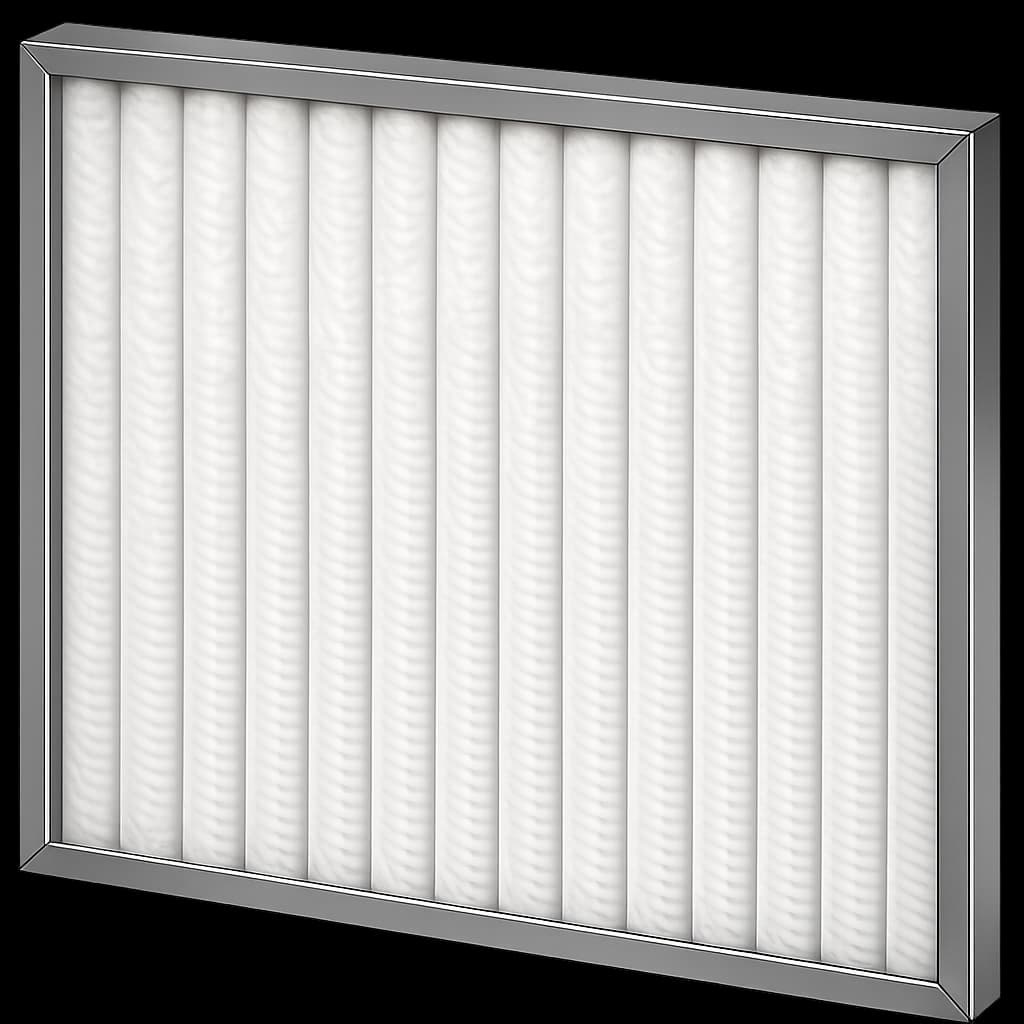
A cabin air filter treats the air entering a vehicle passenger compartment. The catalogue offers five approaches: particulate, activated carbon, fine-dust PM2.5, bio-functional and HEPA filtration.
Particulate media retain dust and pollen. Activated carbon adds an adsorption layer for certain gases and odours. Fine-fibre and high-efficiency variants address finer airborne particles; bio-functional media combine particle retention with the catalogue’s allergen-control approach.
Targets contaminants entering the passenger cabin through the ventilation system.
Select particulate capture, carbon adsorption or a combined approach around the requirement.
Filter dimensions, installation fit and airflow should be confirmed for the vehicle ventilation system.
Reduce dust and pollen entering vehicle cabins with PARK cabin air filters. Compare particle, activated carbon and fine-dust media options.
Synthetic and activated carbon media options
Request confirmation of the selected filter material, dimensions, grade and operating conditions. Send your equipment model and application details for technical confirmation.
Ranges are listed in the supplied PARK product catalogue and describe available options, rather than a single filter specification. Confirm the selected grade, dimensions, test report and operating conditions before ordering. EN 779 references are retained as catalogue terminology.
Final media grade, dimensions and performance specifications are selected for the application. For liquids, confirm chemical compatibility, temperature, flow rate and the required particle rating. For air systems, confirm airflow, pressure drop and installation fit.
Start with the vehicle fit and the main contaminant. A particle filter addresses dust and pollen; carbon options add an adsorption function; fine-dust and high-efficiency variants address smaller particles. Share the operating requirement so the team can confirm a suitable variant.
The catalogue lists standard or customer-specific formats. Share the filter dimensions and system details to confirm availability.
Include the application, existing filter dimensions, required media or grade, operating conditions and estimated quantity. Attach an existing drawing or specification when available.
Whether you are replacing a filter or selecting one for a new system, tell us what you need to remove and how your equipment works. We can discuss suitable product options and the details needed for your enquiry.