Format describes construction; grade describes a filtration requirement.
Airflow and pressure drop belong in the same specification.
A staged arrangement must match the actual air-handling system.
Start with the air system, not the highest grade
Identify whether the filter is for outdoor-air intake, railway ventilation, a commercial air-handling unit, paint-booth ventilation or a controlled production environment. These applications have different filter housings and particle-control needs.
Record the existing filter reference, the stage being replaced and the performance requested by the system designer. A catalogue range is a list of available options, not proof that every option is appropriate for your equipment.
Panel filters: a compact pleated format
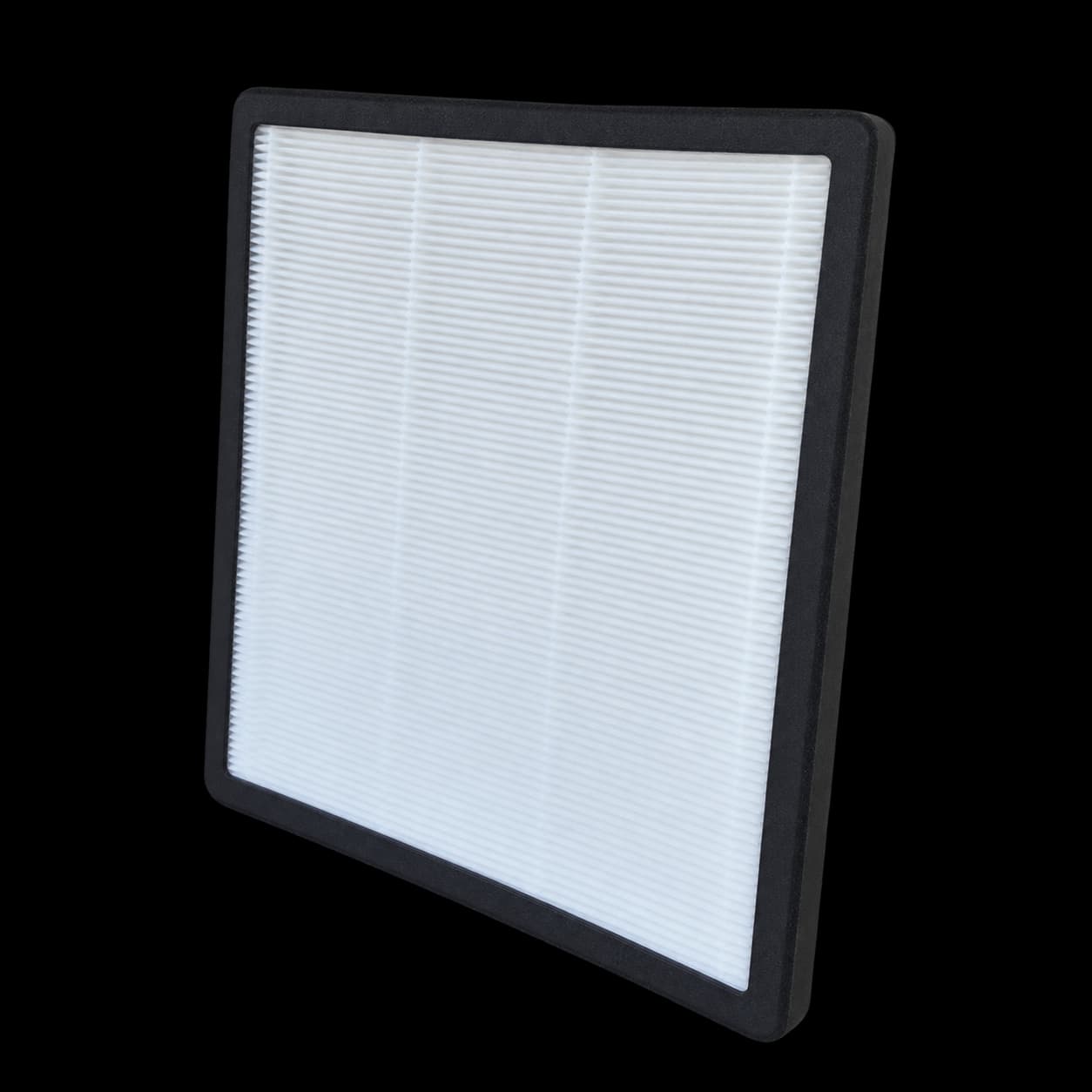
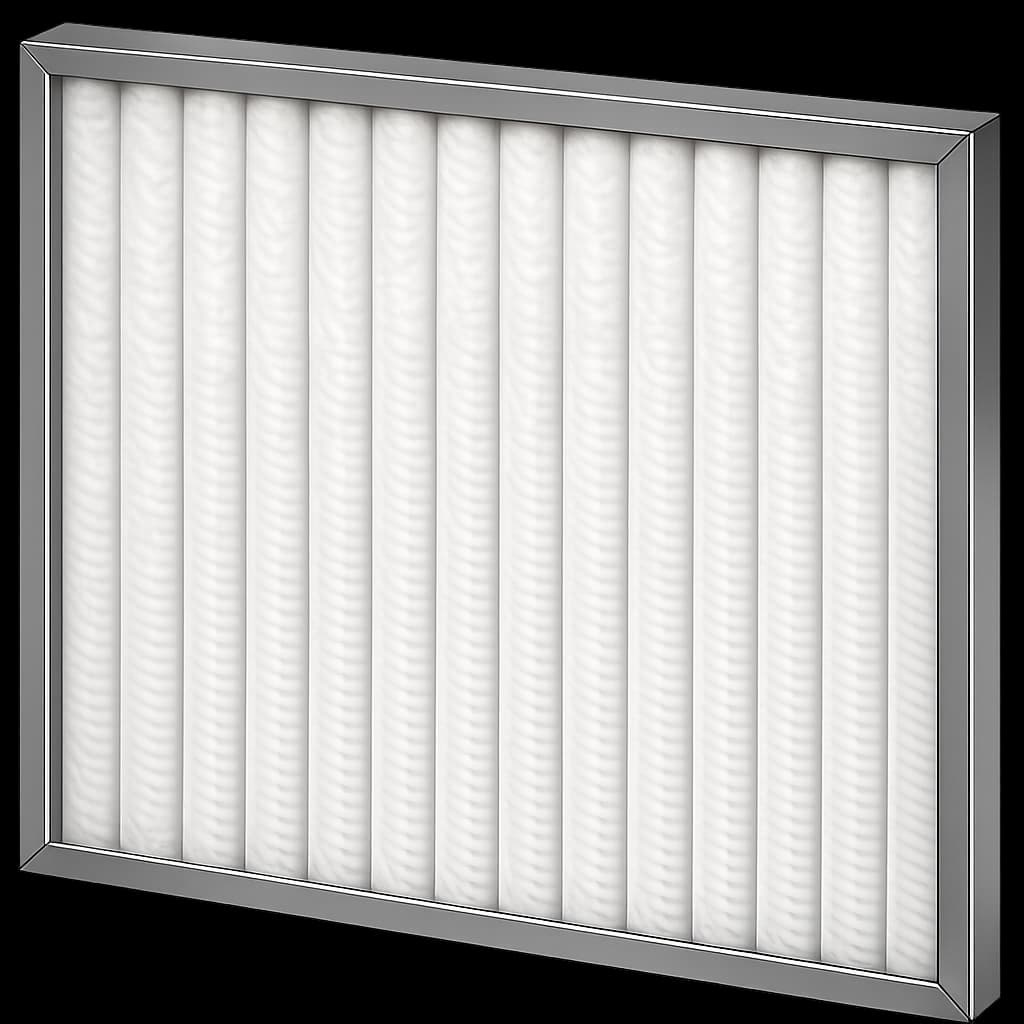
Panel filters use pleated media within a supporting frame. PARK lists synthetic nonwoven media, metal or plastic frames and standard or special-size options. Catalogue applications include HVAC, railway ventilation, commercial buildings and cleanroom ventilation.
Confirm the overall width, height and depth, frame construction, seal and airflow. A panel describes the physical assembly; it does not identify one universal particle-efficiency class.
Pocket filters: extended surface for air handling
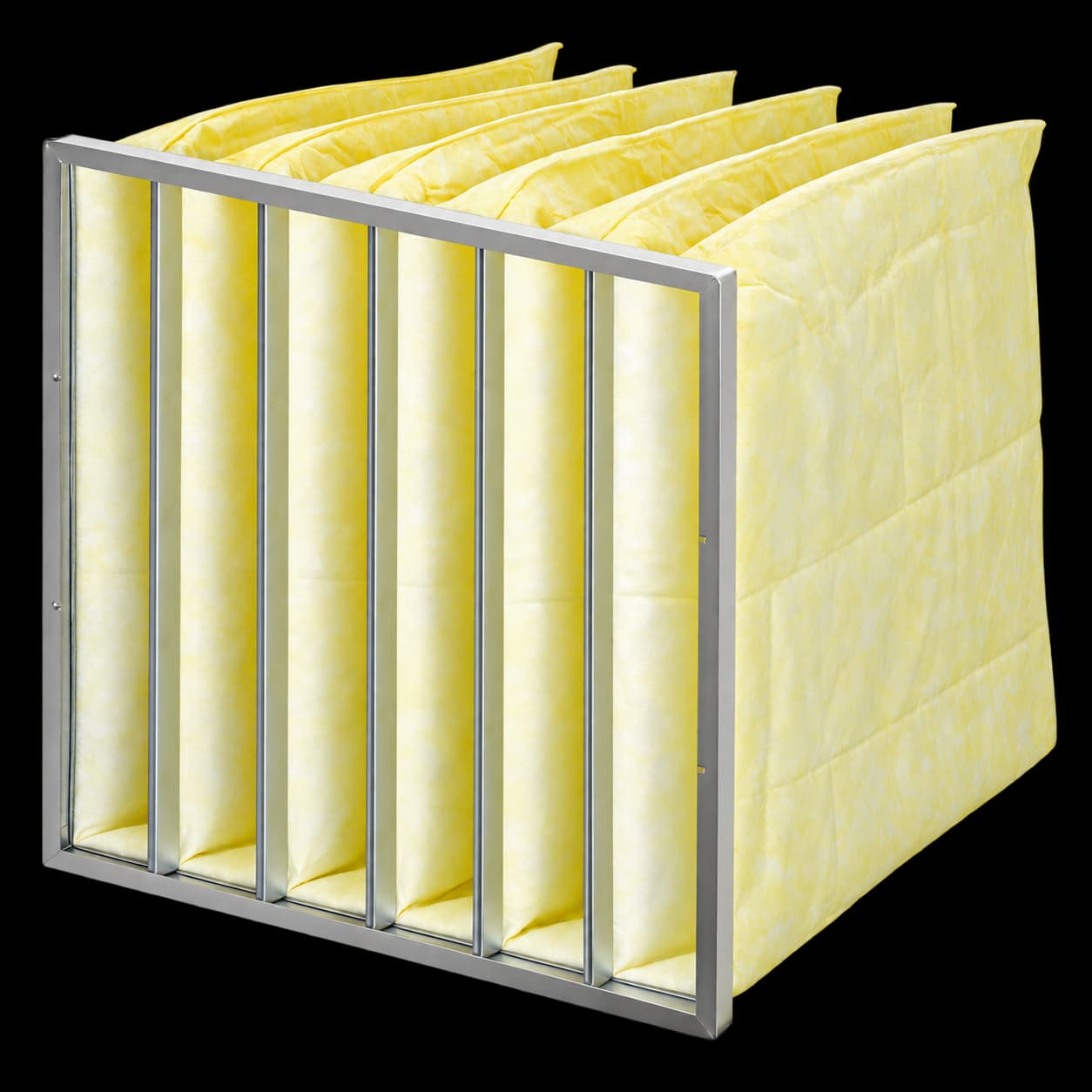
Pocket filters provide an extended-surface arrangement in an air-handling unit. The pocket media retain dust and airborne particles as air passes through them. Media selection and system airflow determine the resistance of the selected assembly.
Check the pocket depth and arrangement as well as the frame size. PARK lists hospitals, laboratories, paint booths and industrial ventilation among the applications. An HVAC pocket filter is different from an industrial dust-collection bag filter.
Fine filtration: specify the exact grade and seal
The PARK fine-filtration range lists E10, E11, E12, H13, H14 and U15 options with EN 1822 and ISO 29463 catalogue references. These are different classifications. Ask for the selected filter grade and its supporting report rather than applying one efficiency number to the whole range.
Media performance is only part of the assembly. Confirm the housing, seal, dimensions and operating airflow to address bypass around the filter. Particle filtration should not be treated as gas adsorption or a guarantee of infection prevention.
Compare the whole filtration stage
A staged system may use an upstream filter to retain larger contamination before a fine-filtration stage. The arrangement depends on the equipment design; adding stages or changing a grade can change the system resistance.
Share the current arrangement with the team. Discuss performance at the required airflow, the available pressure-drop limit and the planned maintenance approach. Do not choose a replacement by image or nominal dimensions alone.
- Overall frame size, depth and sealing arrangement
- Required airflow and acceptable pressure drop
- Selected grade and filter-specific technical evidence
- System drawing or existing part reference
- Quantity and standard or custom format
A question buyers ask
Can I upgrade to a finer filter without changing anything else?
Suitability depends on the housing, airflow, fan capability, pressure-drop allowance and required grade. Share the current filter and system details so these can be checked before selecting a replacement.